

The roundtable, Financing Education in a Changing World, was organised by the Danish Alliance for Education in Emergencies and hosted by Danish Member of Parliament Helle Bonnesen on 25 August.
GSF Executive Director Jacob Blasius contributed to the discussion by sharing the organisation’s work with Education Cannot Wait (ECW), the United Nations global fund for education in emergencies and protracted crises.
For GSF, ECW provides an important example of how young people can participate meaningfully in international governance, not only as speakers or representatives, but as contributors to technical discussions about what makes education programmes effective.
“Education Cannot Wait is one of the few places in the international system that has succeeded in creating a governance structure that includes young people beyond the surface level,” said Blasius. “It shows that meaningful student participation is possible when institutions invest the time and resources needed to do it properly.”
Following the roundtable, Blasius met with ECW Director Maysa Jalbout to discuss preparations for the incoming youth and student representatives to ECW, Divine Edem Kwadzodeh and Valentine Mugun. GSF looks forward to supporting their transition and continuing its cooperation with ECW to strengthen the participation of young people affected by emergencies in the decisions that concern them.
The roundtable also included global perspectives from Christine Hogan of the Global Partnership for Education, alongside contributions from representatives of the Danish Ministry of Foreign Affairs, foundations and civil society organisations.
The discussion came at a critical moment. An estimated 258 million children and young people are affected by crises that threaten their education. While public development assistance remains indispensable, participants also explored how innovation, new partnerships and additional financing models can help respond to growing needs.
Investing in education is not only an investment in individual opportunity. It strengthens democratic participation, economic development, employment, social cohesion and long-term peace and security.
GSF will continue working with ECW and its partners to ensure that children and young people living through emergencies can access quality education, and that students themselves have a meaningful role in shaping the policies and programmes intended to support them.
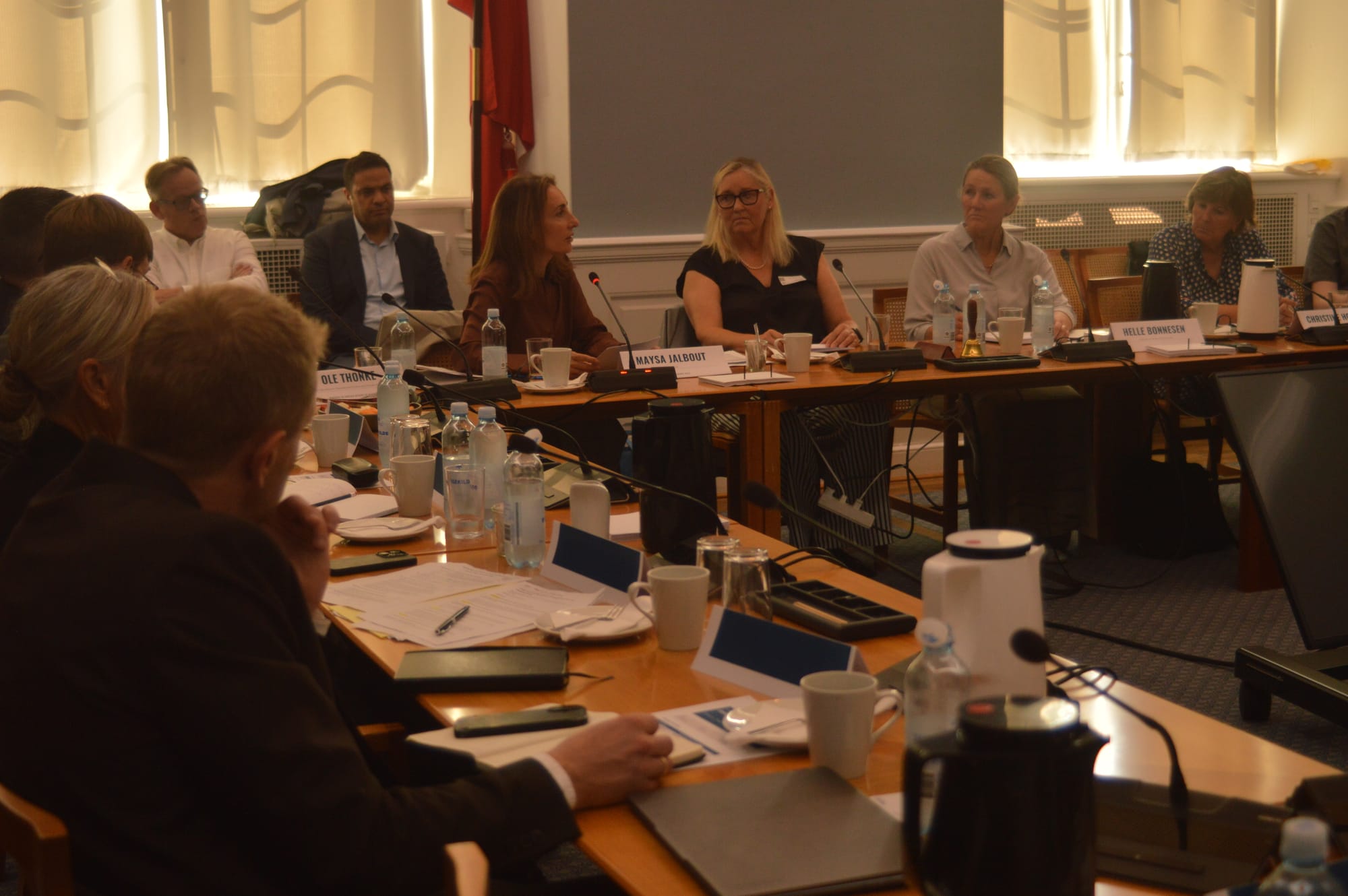
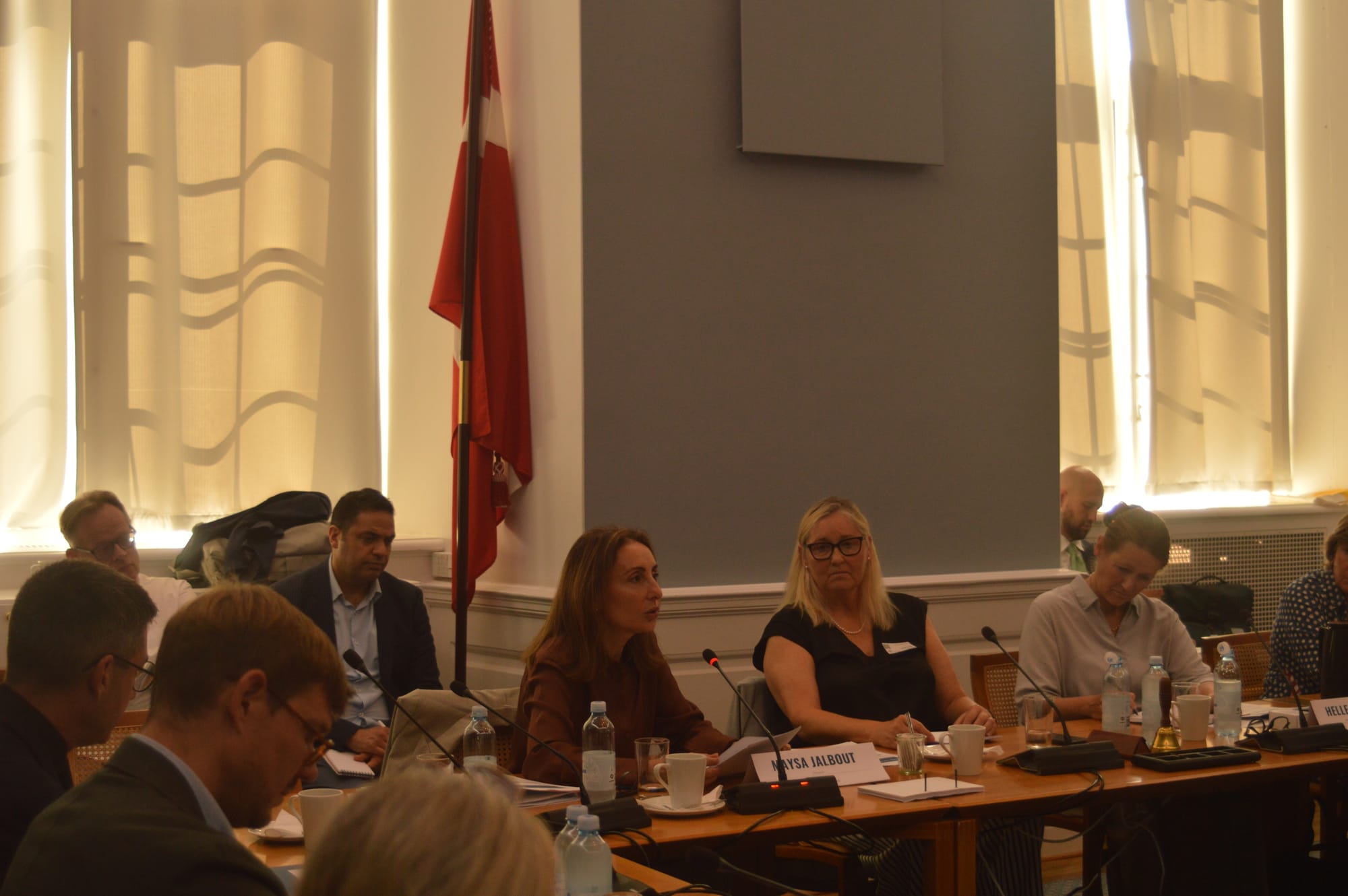
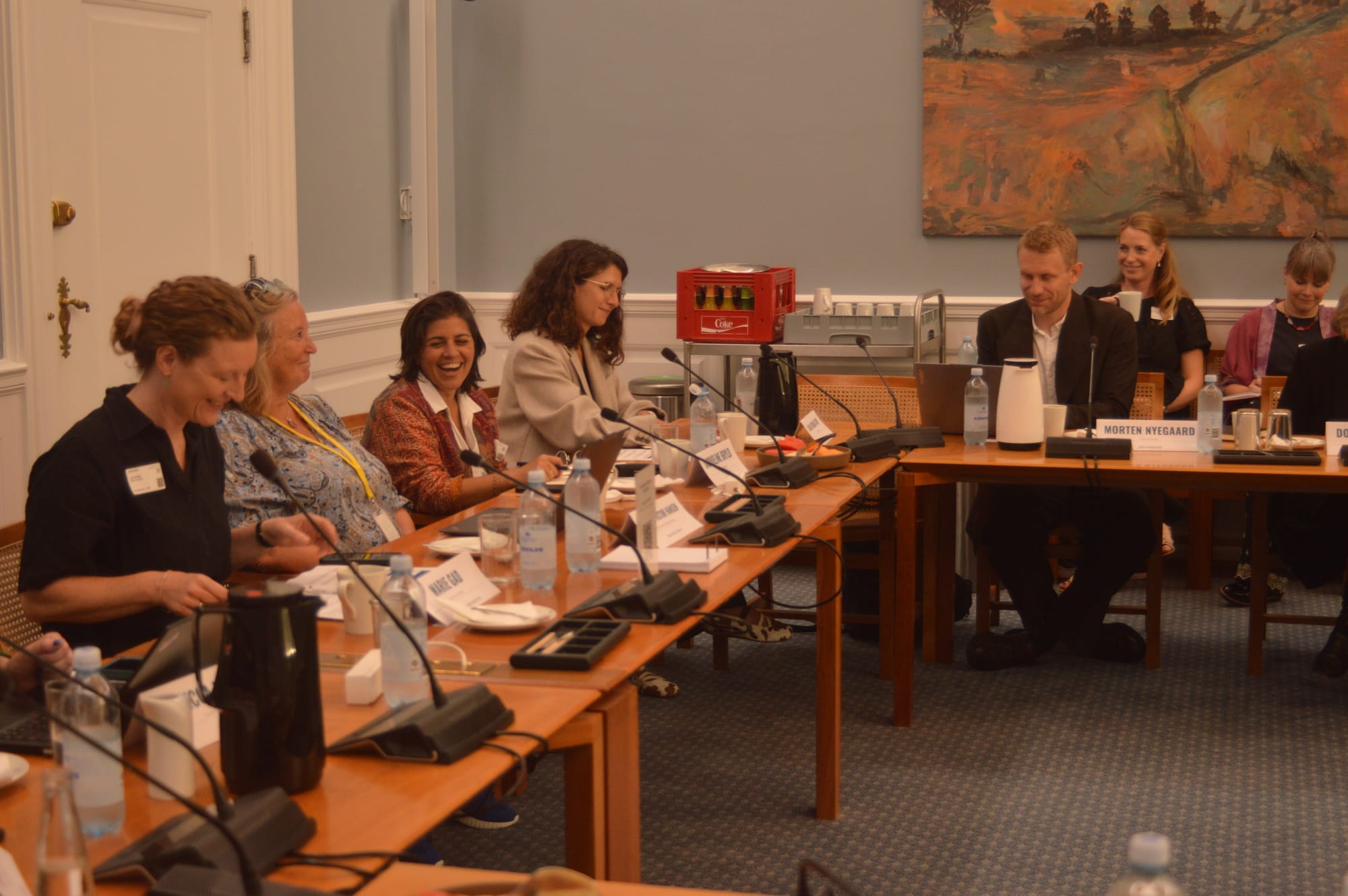
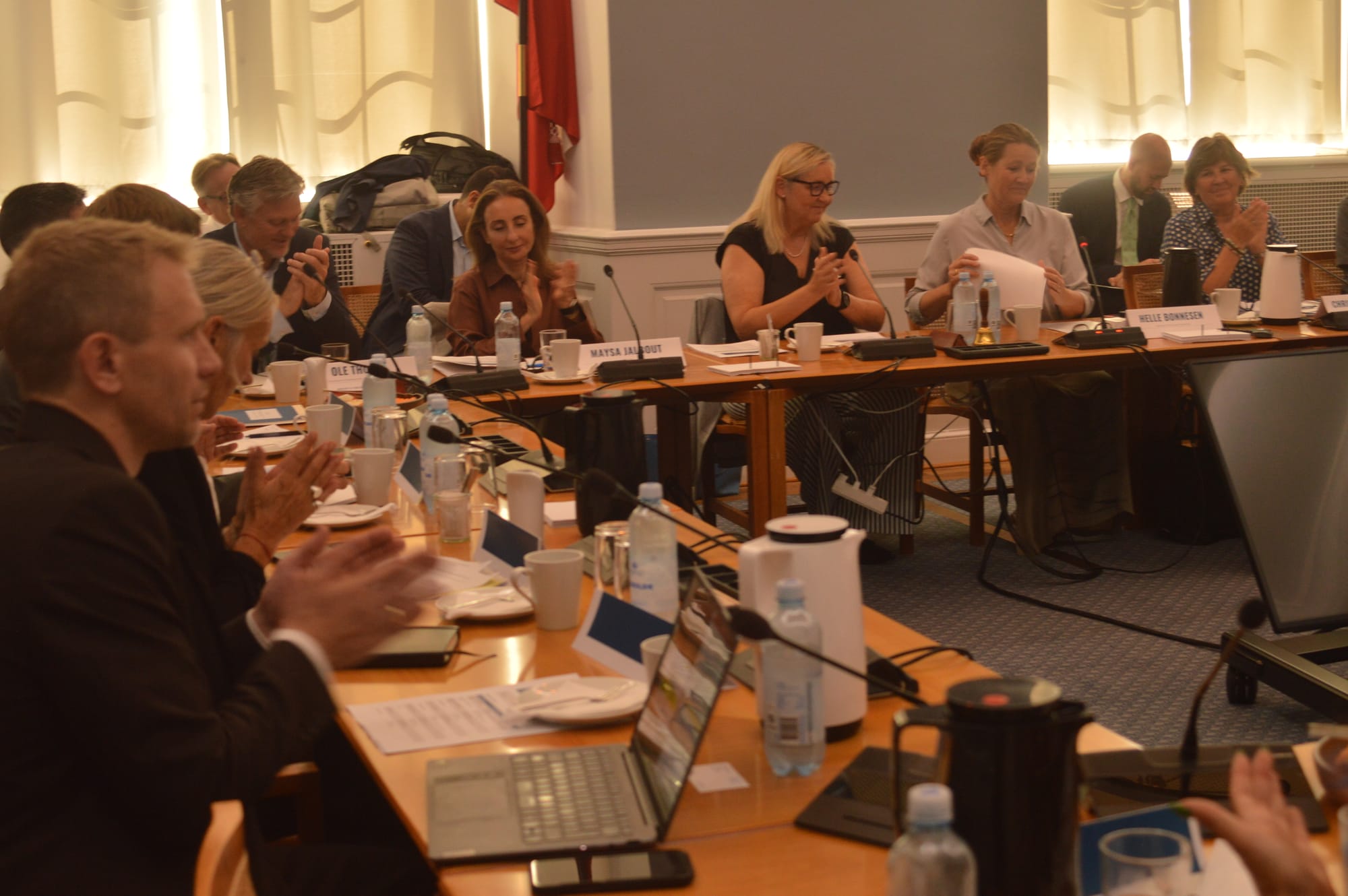
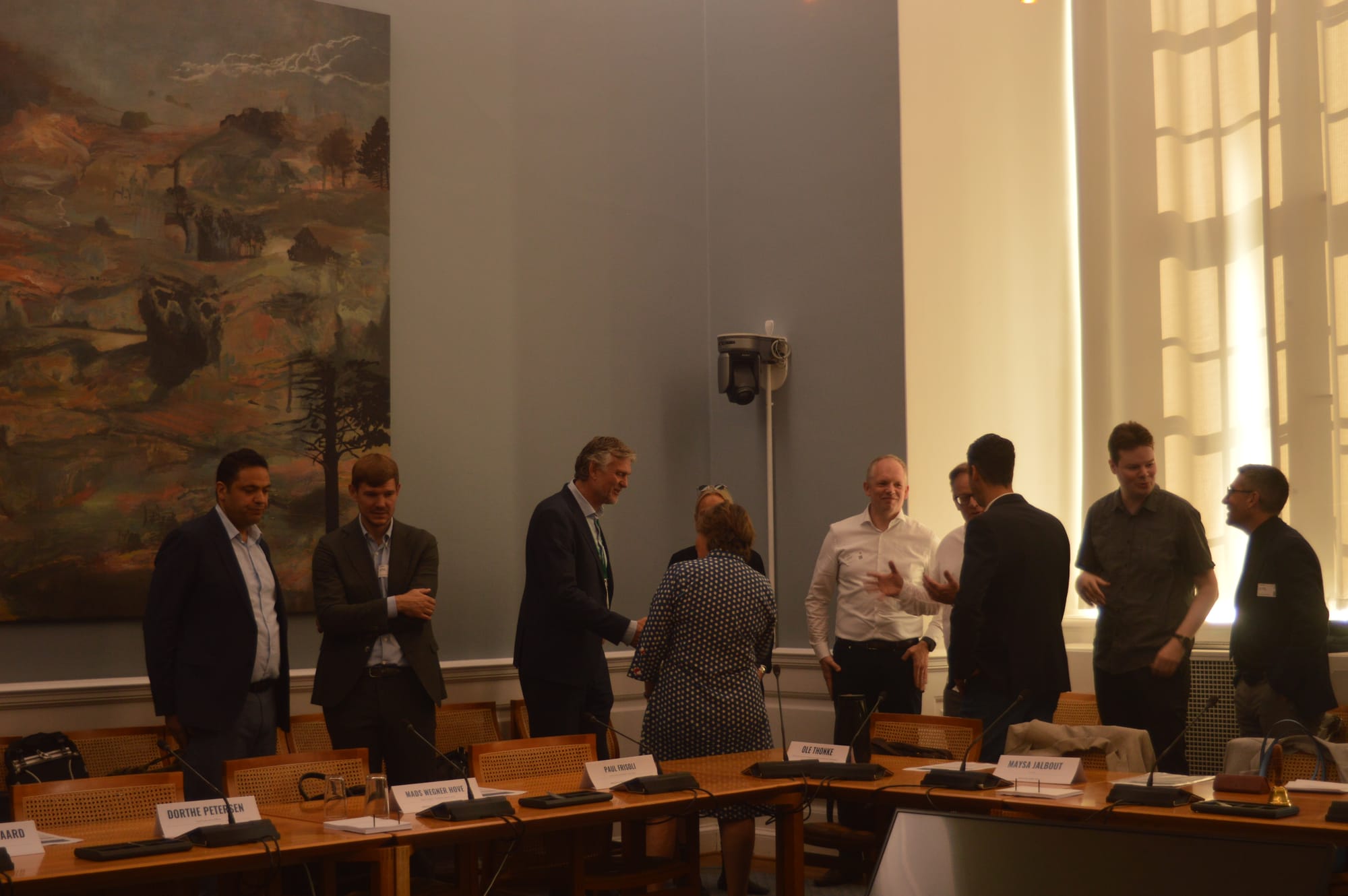
Photo: Save the Children Denmark


